
Repower Net Zero LLC Specialize in Sustainable Energy Solutions, We are based in Sultanate of Oman – Muscat With a strong presence in the MENA, We are committed to leading the charge towards a cleaner, more efficient, and sustainable future. Pursuing a differentiated portfolio of wasted, stranded, and clean energy sources to power digital infrastructure.
Repower Net Zero LLC is a pioneering energy tech company that discovered the synergies between the energy sector and computing long before it became a mainstream concept.
Repower Net Zero LLC aims to help alleviate harmful methane emissions caused by landfill production by eliminating routine flaring to reach ESG goals and unlock the value from stranded resources and to reach sustainable target in Zero Routine Flaring Initiative by 2030.
At Repower Net Zero LLC, we are transforming how other countries thinks about waste, energy, and digital infrastructure. By converting various types of waste—from food scraps and landfill gas to industrial residues—into clean, usable electricity, we power the future of decentralized technologies like Bitcoin mining and AI computing.
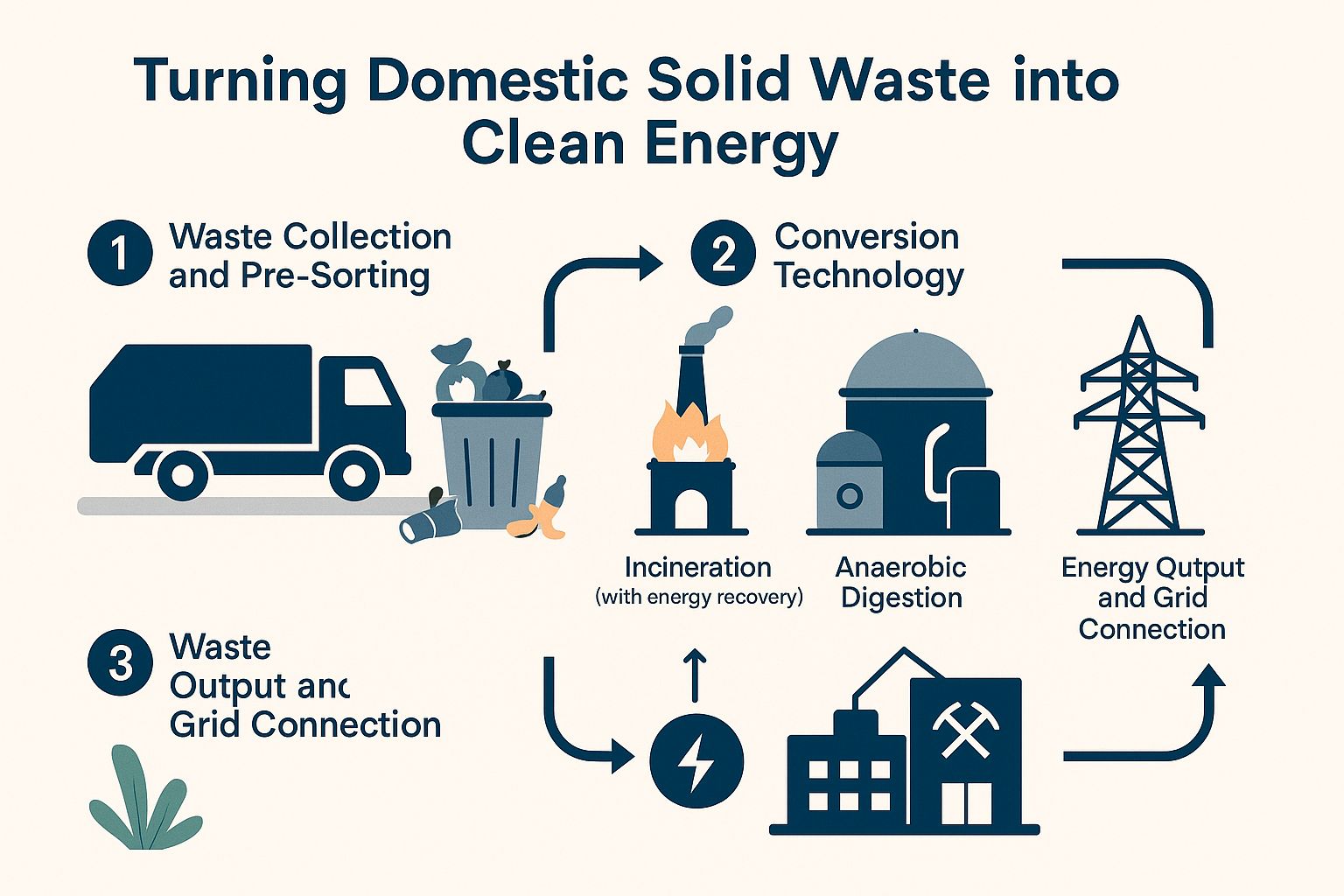

Our mission is to unlock the hidden value in everyday trash by turning it into a clean, sustainable energy source. Whether you're a municipality looking to modernize your waste systems or a private developer seeking energy independence, we can help design and deploy the right solution.

Turning Waste Streams into Renewable Energy and Digital Assets
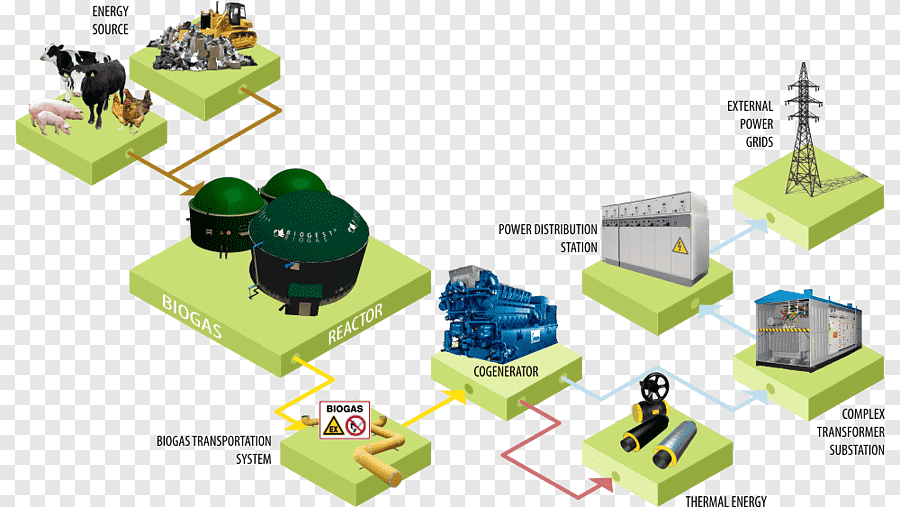
Most of the countries generates a diverse mix of waste—ranging from municipal solid waste to landfill methane, agricultural residues, and industrial sludges. These waste streams, when properly processed, can become powerful sources of renewable energy to drive our off-grid digital infrastructure and carbon-neutral operations.
Each waste type requires tailored technology to recover energy efficiently. Here’s how we convert untapped waste into power:
Sources:
Sources:
Sources:
Sources:
Sources:
At Repower Net Zero LLC, every waste-to-energy site we build is more than just a power project — it’s a profit centre, carbon reduction engine, and digital value generator. Our integrated model blends clean energy, digital mining, and carbon monetization into a high-impact investment for sustainable development.
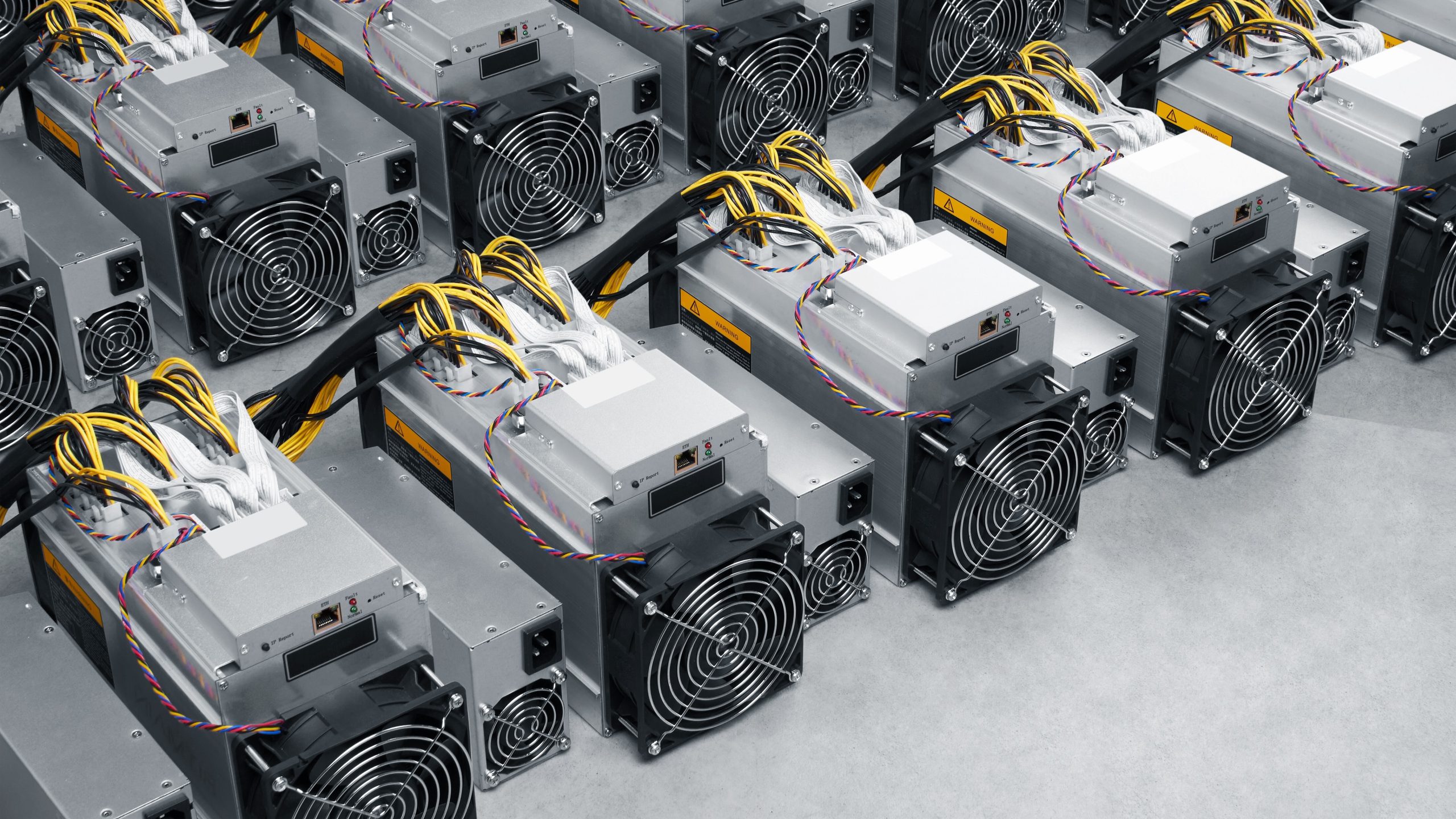
We are at the frontier of energy transformation—converting all types of waste into clean, usable power, then channelling that power into high-value computing applications, including Bitcoin mining, AI workloads, and data infrastructure. From organic food scraps to hazardous industrial by products, we unlock the hidden energy in waste and turn it into opportunity.

Our modular power blocks range from 1MW to 20 MW and are optimized for:
Each project actively supports Oman’s carbon reduction targets under Vision 2040 and the UN SDGs:
With each Repower Net Zero LLC hub in MENA:
We specialize in co-locating mining infrastructure directly at waste-to-energy sites, maximizing energy utilization while minimizing transmission losses and grid dependency.
| Benefit | Description |
|---|---|
| Low-cost, off-grid energy | Waste-derived power is often cheaper than grid power |
| Emission offset opportunities | Mining powered by biogas or LFG qualifies for ESG/green finance programs |
| Scalable, modular deployment | Mobile data centers can scale with waste flow |
| Circular economy model | Turns local waste into jobs, revenue, and decentralized computing |
| Grid independence | Ideal for areas with weak or unreliable grid connections |
While digital mining is our core application, waste-to-power systems can also be deployed for:
We offer modular, scalable, and custom-engineered WtE systems tailored to:
Transforming Waste into Opportunity
At Repower Net Zero LLC, we are pioneering sustainable and innovative solutions to power the future of digital currency. One of our key initiatives focuses on converting landfill flare gas—a byproduct of organic waste decomposition—into clean electricity used to power Bitcoin mining operations.
Landfills naturally produce methane-rich gas as organic waste breaks down. Traditionally, this gas is flared (burned off) to reduce harmful greenhouse gas emissions. However, flaring wastes valuable energy and still contributes to carbon emissions.
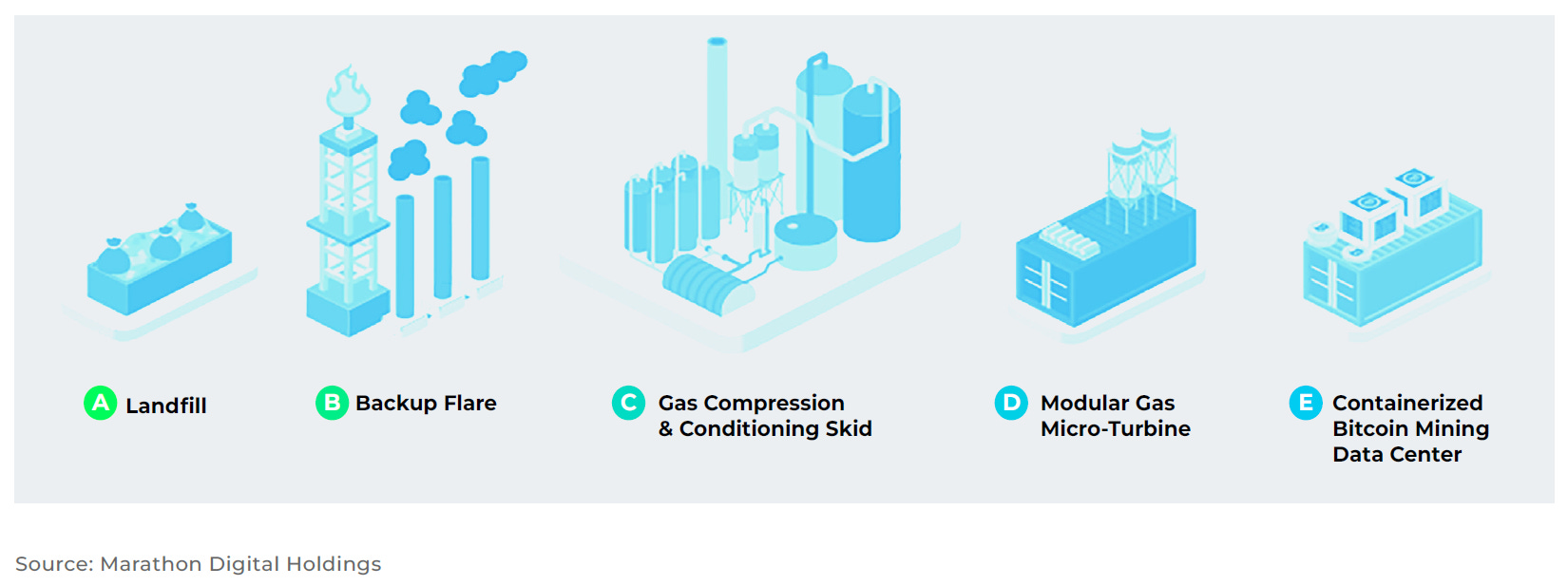
Instead of flaring the gas, we capture and convert it into usable electricity using high-efficiency generators. This electricity then powers modular Bitcoin mining data centers located onsite or nearby.
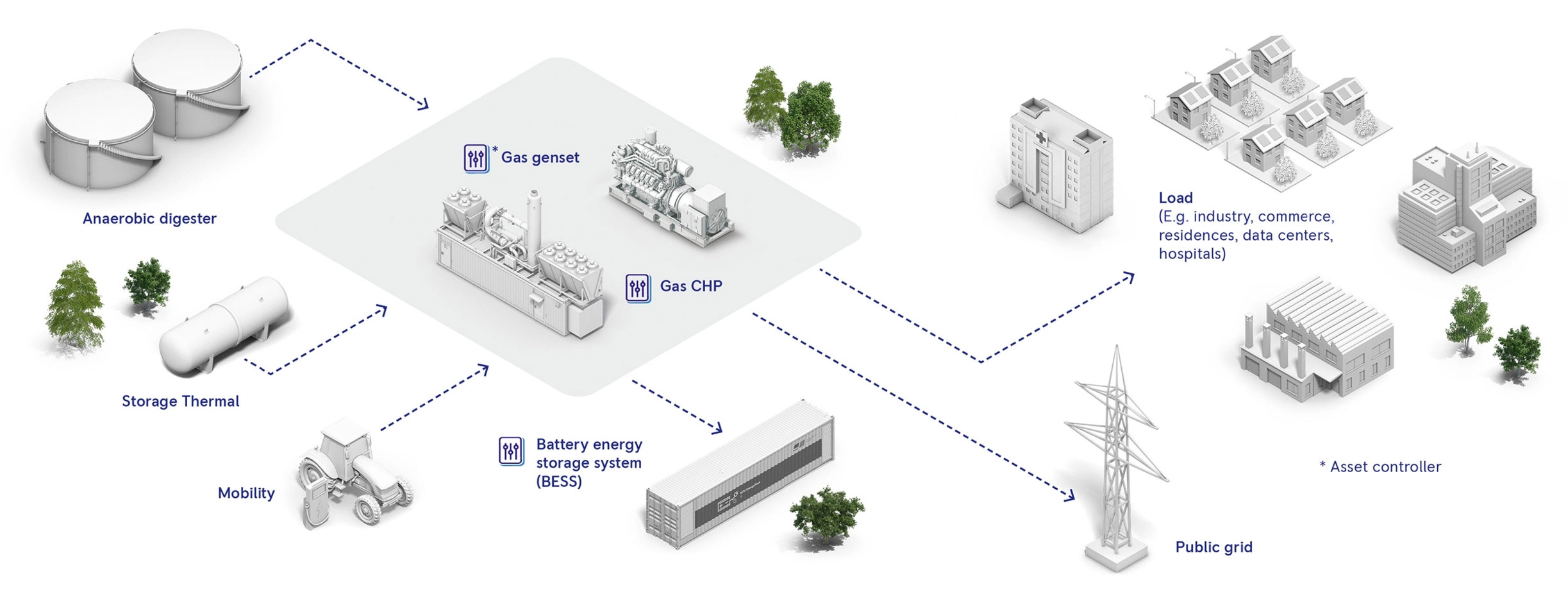
Methane is captured from the landfill gas collection system.
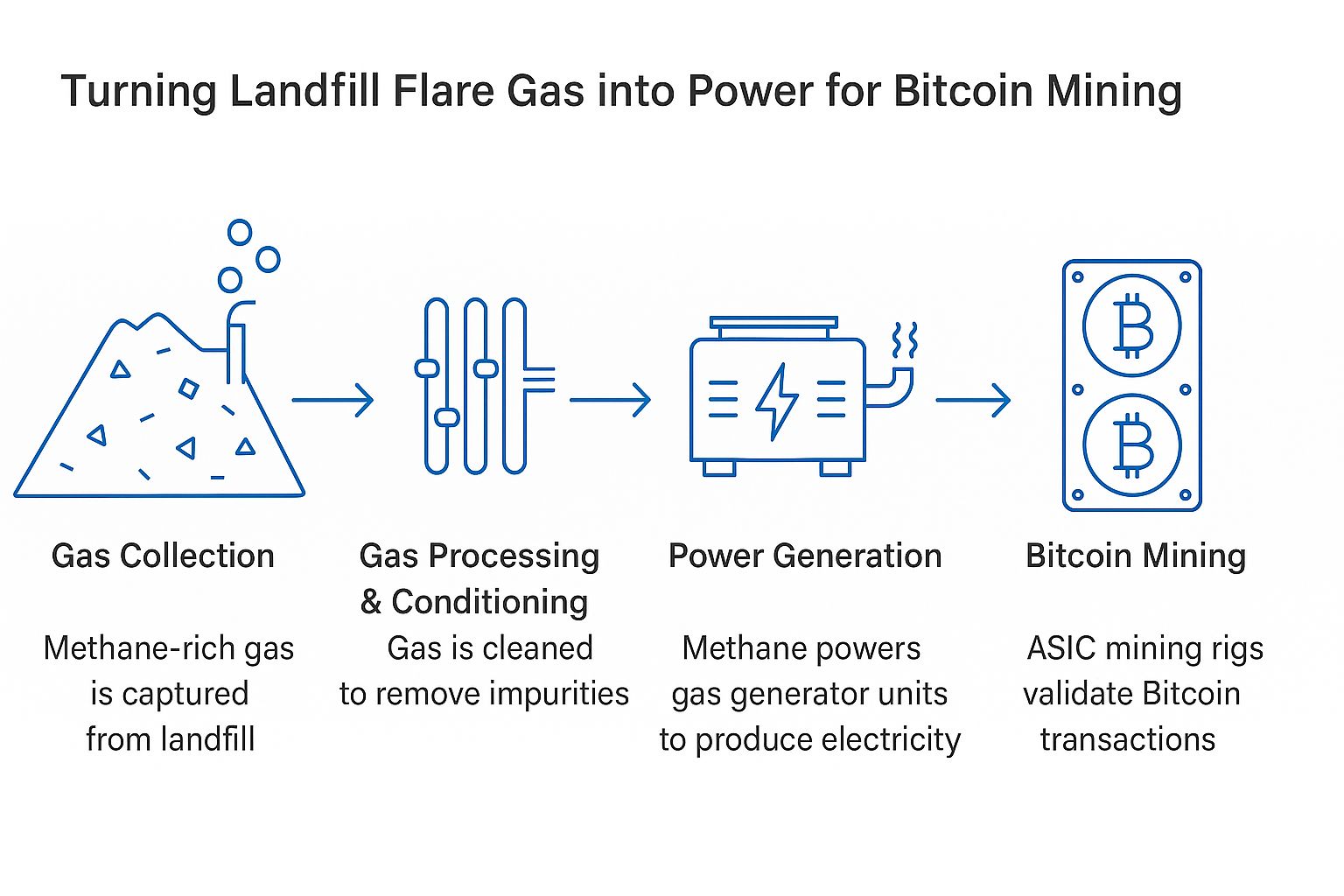
Cleaned methane powers gas generator units to produce electricity.
Impurities are removed to meet engine fuel standards.

Power is routed to ASIC mining rigs that validate Bitcoin transactions and secure the network.
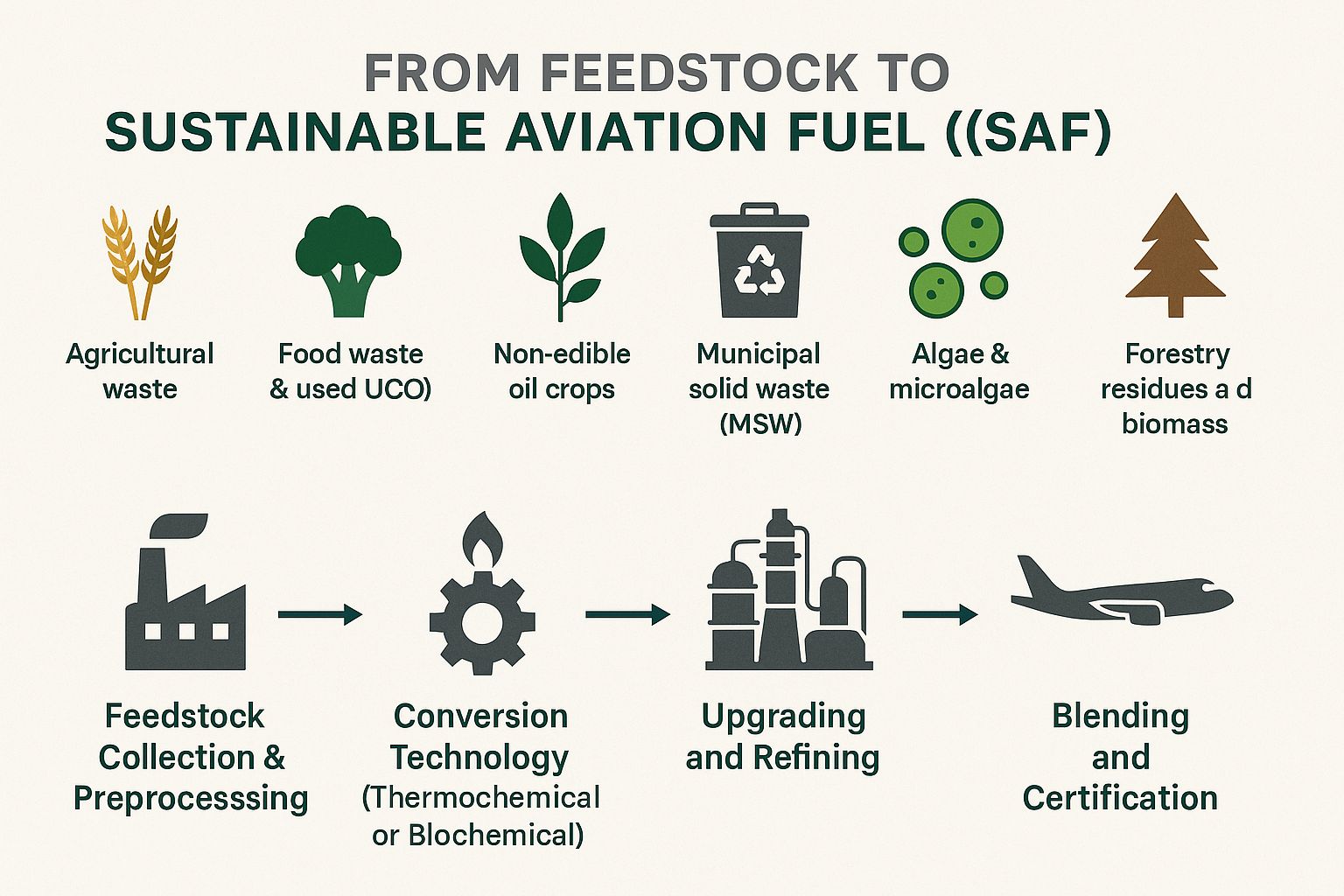
From Feedstock to Sustainable Aviation Fuel (SAF) - Powering the Future of Flight Sustainably
At Repower Net Zero LLC, we are proud to be part of the global transition to cleaner skies through the development and support of Sustainable Aviation Fuel (SAF) technologies. SAF represents a game-changing alternative to traditional jet fuel—produced from renewable feedstocks instead of fossil crude—significantly reducing greenhouse gas emissions from aviation.
Sustainable Aviation Fuel (SAF) is a drop-in fuel that can be blended with conventional jet fuel (Jet-A) and used in existing aircraft engines and airport infrastructure with no modifications. SAF can reduce lifecycle carbon emissions by up to 80% compared to fossil-based aviation fuel.

The SAF production process begins with the right feedstocks—renewable, non-fossil-based materials that are processed and refined into jet fuel through advanced bio-refining technologies.
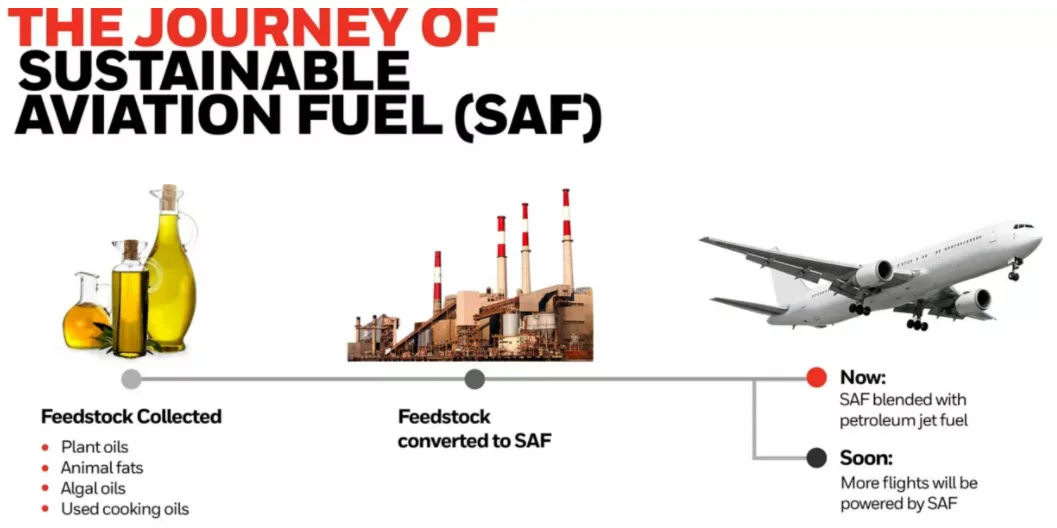
Renewable waste or crops are harvested, sorted, and prepared for refining.
Feedstocks are processed using pathways such as: HEFA, FT synthesis, Alcohol-to-Jet, Gasification and Pyrolysis.
The output is refined to meet strict aviation fuel specifications (ASTM D7566).
SAF is blended with conventional jet fuel and certified for commercial aviation use.

At Repower Net Zero LLC, we’re actively exploring partnerships and technical deployments that support:
As the world accelerates toward net-zero aviation, SAF stands as one of the most immediate and scalable solutions. With the right technology, partnerships, and vision, we can turn waste into jet fuel, and carbon emissions into climate action.
Clean fuel. Clean skies. Real impact.
Real-World Validation of Innovative Energy Systems
At Repower Net Zero LLC, we offer modular pilot deployment programs designed to validate energy conversion technologies at small-to-medium scale. Our pilot units are engineered for flexibility, speed, and scalability—ensuring proof-of-concept before committing to full-scale rollout.
Removal of a significant part of acid gases such as H₂S and CO₂
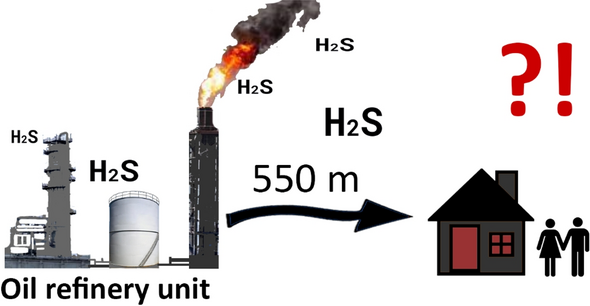
Hydrogen sulfide (H₂S) is a highly toxic, corrosive, and environmentally hazardous gas found in:
Its presence creates:
With cooperations with our partners their Solutions offer an integrated, modern solution for H₂S removal based on proprietary membrane separation technology — replacing or complementing conventional chemical methods like amine systems.
Removal of heavy compounds such as +C₃ from the gaseous fuel stream
Lowering the dew point of the gas stream
Removal of a significant part of acid gases such as H₂S and CO₂
Increasing the useful life of engines and gas turbines
Reducing maintenance costs and unplanned downtime
Absence of moving parts in membrane units
Ease of setup and operation
Simple repairs and maintenance
Requires little physical space
Get in touch with us for sustainable energy solutions
OMAN: